
Low-carbohydrate diets have become common among people making changes for weight management, blood sugar control, or personal dietary preferences. When eating patterns change, some people also notice differences in their oral health, including dry mouth, plaque accumulation, or increased tartar. This can raise questions about whether reducing carbohydrates directly causes hardened deposits beneath the gums.
The answer is more nuanced. Low-carbohydrate diets are not established as a direct cause of aggressive subgingival tartar. However, dietary changes can influence factors such as hydration, saliva, food choices, and oral hygiene habits, which may affect the environment in which plaque and calculus develop.
How Does Tartar Develop?
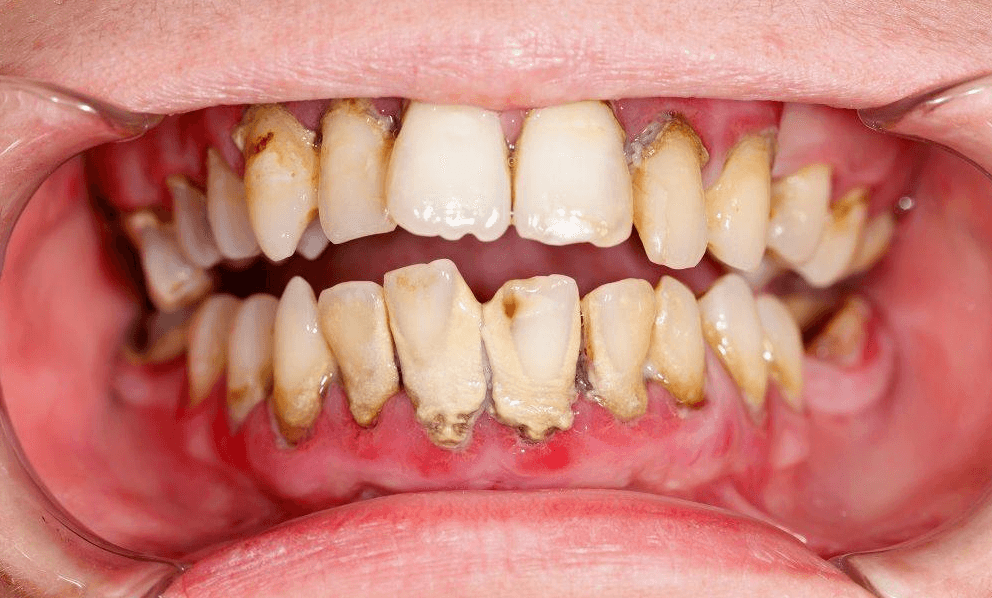
Plaque is a sticky bacterial film that forms continuously on teeth. If it is not adequately removed, minerals in saliva can gradually harden it into calculus, commonly called tartar. Calculus can develop above the gumline or beneath the gum tissue. Once hardened, it cannot be effectively removed with ordinary brushing or flossing. Professional dental instruments are required to remove it safely.
The amount of calculus that develops varies considerably between individuals. Saliva composition, oral hygiene, smoking, certain medications, and other personal factors may all influence calculus formation.
Where Does a Low-Carbohydrate Diet Fit In?
Carbohydrate restriction itself does not automatically produce more tartar. In fact, dietary carbohydrates are not the substance that directly turns into calculus.
The potential connection may come from the other changes that accompany a low-carbohydrate eating pattern. Some people consume fewer fruits, whole grains, and other carbohydrate-containing foods while increasing their intake of protein, fats, salty foods, or packaged low-carbohydrate products.
These changes may also affect fluid intake and saliva. For example, inadequate hydration can contribute to dry mouth. Saliva plays an important role in maintaining the oral environment, so persistent dryness may make plaque management more difficult.
Dry Mouth Can Be Worth Watching
Dry mouth can occur for many reasons, including dehydration, medications, caffeine consumption, certain health conditions, and lifestyle changes. A person following a low-carbohydrate diet may experience changes in fluid balance, particularly during the early stages of dietary adjustment.
A consistently dry mouth does not mean tartar will definitely increase. However, it may be associated with greater discomfort, difficulty clearing food debris, and other oral concerns. If you notice persistent dryness or a sudden change in your oral health after changing your diet, discussing the issue with a dentist in Petrolia may help identify possible contributing factors.
Why Tartar Beneath the Gums Matters
Subgingival calculus can be particularly challenging because it is hidden below the gumline. It may create a rough surface where plaque can remain attached.
Signs such as bleeding during brushing or flossing, swollen gums, persistent bad breath, gum tenderness, or changes in gum appearance should be assessed. These symptoms can have several causes and do not necessarily indicate tartar alone.
Protecting Your Oral Health on a Low-Carb Diet
You do not necessarily need to change your diet because you are concerned about tartar. Instead, focus on consistent oral care. Brush twice daily with fluoride toothpaste and clean between your teeth every day. Drinking adequate water may also help maintain oral moisture.
If you experience ongoing dry mouth, mention it during your dental appointment. It is also useful to tell your dental professional about major dietary changes. This information can provide additional context when assessing your oral health.
Keep Your Oral Health on Track!
Petrolia Dental provides dental examinations, preventive care, and treatment based on each patient’s individual needs. If you have noticed increased tartar, gum changes, persistent dry mouth, or other oral concerns after changing your diet, an assessment may help identify the underlying factors. Learn more about available dental services and plan your ongoing oral care with Petrolia Dental.